KAZALCI OKOLJA

Environmental indicators in Slovenia


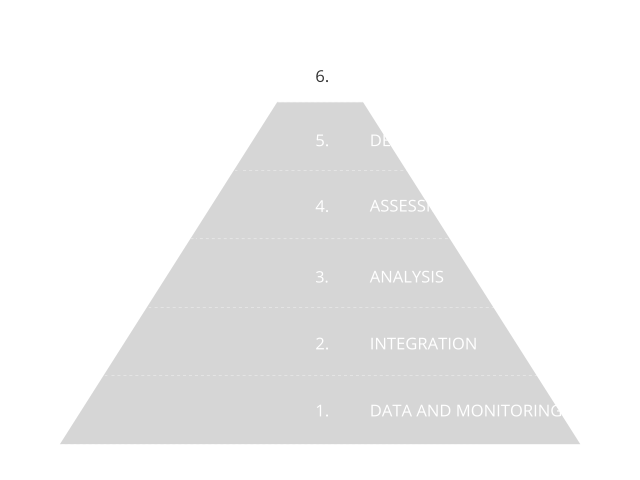
Environmental indicators are based on graphs, maps and assessments and as such present environmental trends in Slovenia. The indicators represent one of the four pillars of our environmental reporting, and are prepared in accordance with the Environmental Protection Act. The Environmental Indicators in Slovenia website enables users to browse among 180 indicators. They are based on numerical data and they indicate the state, characteristics and trends of environmental development in Slovenia. They are prepared using a systematic approach based on data and monitoring, as shown in the information pyramid.

Did you know?

Neutral

Incentives that go against the goal of reducing greenhouse gas (GHG) emissions have increased again after 2021, primarily due to extensive emergency measures introduced in response to rising energy prices. Excluding these temporary measures, the level of such subsidies in 2023 did not change significantly compared to 2020, with their value increasing by approximately 5.7%.

Neutral

In Slovenia, alluvial aquifers present 60 % of the drinking water sources, and karst-fractured aquifers present 40 %. Due to populated areas and intensive agricultural production, alluvial aquifers are exposed to greater risks of pollution with nitrates.

Neutral

We recover only half of construction waste, while the need for natural mineral resources is growing.