KAZALCI OKOLJA

Environmental indicators in Slovenia


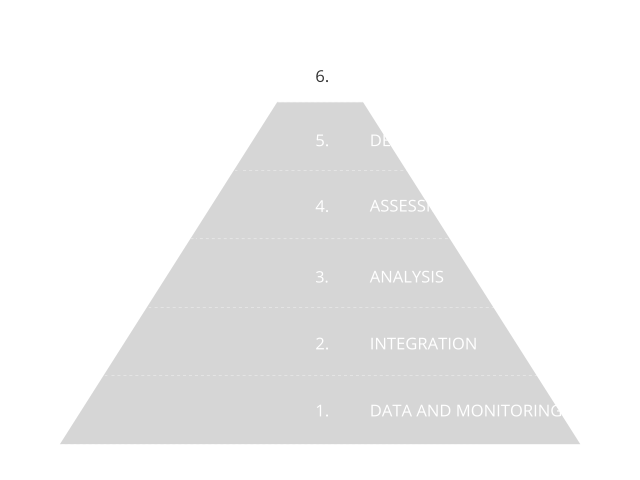
Environmental indicators are based on graphs, maps and assessments and as such present environmental trends in Slovenia. The indicators represent one of the four pillars of our environmental reporting, and are prepared in accordance with the Environmental Protection Act. The Environmental Indicators in Slovenia website enables users to browse among 180 indicators. They are based on numerical data and they indicate the state, characteristics and trends of environmental development in Slovenia. They are prepared using a systematic approach based on data and monitoring, as shown in the information pyramid.

Did you know?

Good

In 2024, the energy reduction in the energy efficiency obligation scheme (EEOS) and alternative measure, t. i. Eco Fund programs, amounted to 671 GWh. The savings were more than a half lower than the previous year, mainly due to the fact that the EEOS obligated parties covered their obligations to a large extent with surpluses of savings from previous years. The target value for 2024 was nevertheless exceeded by 38% – because of the transfer of the part of the surplus savings from 2023 within the EEOS the energy savings amounted to 1,028 GWh.

Neutral

In the 2002-2008 period, the quantity of generated waste increased by 55%. In 2008, 42% of waste was deposited, and 58% recovered. Our greatest concern is municipal waste management, as more than 70% of that waste is still deposited. Despite the increased quantity of recovered waste in recent years and the registered decline in deposited quantities, we still remain far behind more developed EU Member States.

Bad

In Slovenia, passenger car transport is increasing and public transport is decreasing. The increase in car ownership can be attributed to ideas about greater flexibility, improved mobility and low quality of public passenger transport. The share of Slovenian households owning a personal car increased to 80% in 2007 and the number of passengers using urban public transport dropped by nearly 50% compared to 1990. The data for Central Slovenia and the Podravje statistical regions show that more than 70% of the population travel to work by car.

Good

The number of organised visits to outstanding natural features almost tripled in the 1992-2008 period, and in 2008, 882.000 tickets were sold. By far the most visited natural feature is the Postojna Cave.

Neutral

In the upcoming years our primary objective is to implement and maintain an effective system of managing waste batteries and accumulators.