KAZALCI OKOLJA

Environmental indicators in Slovenia


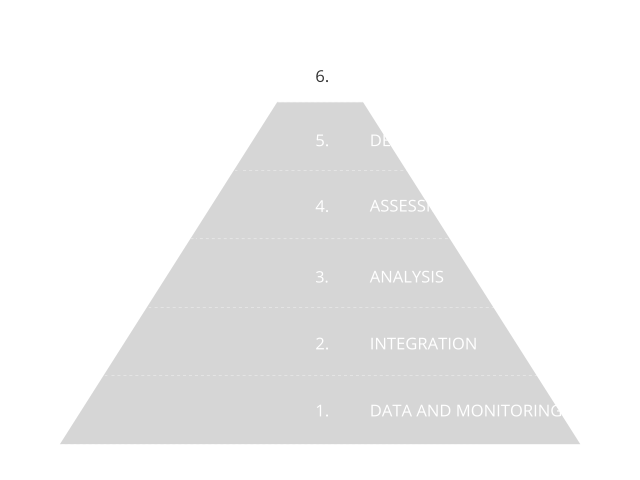
Environmental indicators are based on graphs, maps and assessments and as such present environmental trends in Slovenia. The indicators represent one of the four pillars of our environmental reporting, and are prepared in accordance with the Environmental Protection Act. The Environmental Indicators in Slovenia website enables users to browse among 180 indicators. They are based on numerical data and they indicate the state, characteristics and trends of environmental development in Slovenia. They are prepared using a systematic approach based on data and monitoring, as shown in the information pyramid.

Did you know?

Bad

The trend of food consumption after 2000 is slightly declining in almost all categories. One possible explanation for this decline is probably changed eating habits when we eat less at home. At the same time, there is a marked upward trend in food and beverage costs. The results of research show that of all food categories, meat and dairy products have the highest environmental impacts. The number of agricultural holdings with organic farming in Slovenia is slowly growing, but the dynamics of growth of organic production is not satisfactory.

Bad

According to the state of epiphytic lichens, the preservation of forests and air quality is poor in the entire territory of the Republic of Slovenia, except in forests at higher altitude in the Alps and partially in the Dinaric mountain range.

Neutral

The number of available beds and of overnight stays, in particular, have been growing constantly during the period in question (1992-2009). Tourist bed occupancy rates were highest during the summer months, when the majority of tourists visit seaside tourist resorts, with a slightly smaller share visiting mountain and health resorts. During the winter season, health resorts record the highest number of overnight stays.

Neutral

In 2008, the trend of reducing annual quantities of deposited waste continued both in landfills that are part of public infrastructure as well in landfills operated by the industry. In 2008, 835.3 thousand tonnes of waste were deposited on landfills belonging to public infrastructure and 207.8 thousand tonnes were deposited on landfills operated by industry.